
As climate change concerns intensify and the demand for sustainable living solutions increases, more individuals and communities are exploring the concept of living off the grid — a lifestyle that emphasizes self-sufficiency, energy independence, and minimal reliance on conventional power systems. This emerging trend is reshaping how people approach energy consumption, blending cutting-edge technology with a profound shift in mindset toward environmental stewardship and economic resilience.
**What Does Living Off the Grid Mean?**
Living off the grid refers to operating independently of public utility services, particularly electricity grids. It involves generating, storing, and consuming energy on-site, typically through renewable sources such as solar or wind power combined with advanced energy storage solutions. This independence provides homeowners and businesses with greater control over their energy supply, reduces carbon footprints, and offers protection against power outages and fluctuating energy costs.
**Technological Advances Fueling Off-Grid Lifestyles**
Recent advancements in renewable energy technology and energy storage have played a crucial role in making off-grid living more viable and accessible. Modern energy storage systems (ESS), hybrid and off-grid inverters, and portable power stations are increasingly sophisticated, efficient, and affordable. These innovations enable seamless integration of solar panels with battery systems, allowing for continuous power supply even during periods of low sun or inclement weather.
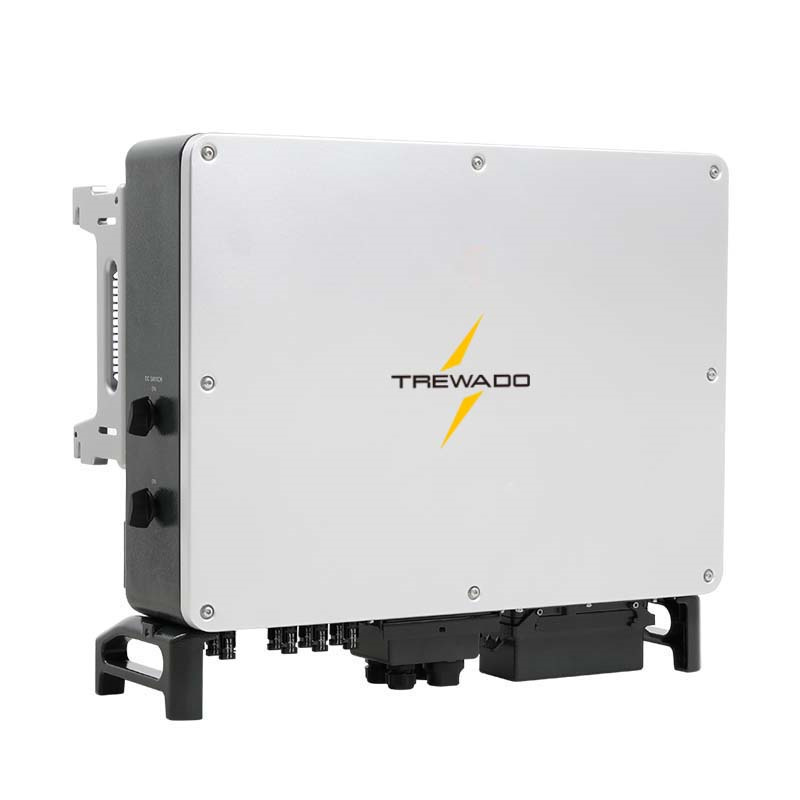
A leading renewable energy technology company specializes in offering comprehensive energy solutions designed for both residential and commercial applications. Their product lineup includes state-of-the-art energy storage systems, hybrid inverters that manage multiple power sources, off-grid and on-grid inverters, as well as portable power stations commonly known as solar generators. These products are designed to enhance energy efficiency, reliability, and sustainability, making them ideal for those choosing to live off the grid or seeking backup power solutions.
**Benefits of Off-Grid Energy Solutions**
1. **Energy Security and Reliability**
By generating and storing their own energy, off-grid users reduce their exposure to grid failures and blackouts. This autonomy provides peace of mind for homeowners, especially in remote areas where power infrastructure may be limited or unreliable.
2. **Environmental Impact**
Off-grid living often relies on clean, renewable energy sources, drastically cutting down greenhouse gas emissions compared to fossil fuel-powered electricity. Advanced ESS and solar power integration further optimize energy consumption patterns, helping users minimize waste and environmental footprint.
3. **Cost Savings Over Time**
While initial setup costs for off-grid energy systems can be significant, long-term savings are substantial. With no monthly utility bills and lower maintenance costs, users can achieve financial independence from traditional energy providers.
4. **Flexibility and Mobility**
Portable solar generators enable users to carry power with them, supporting activities in remote locations or emergency situations. These devices have become popular for outdoor enthusiasts, disaster preparedness, and temporary work sites.
**Expanding Access to Off-Grid Solutions**
One of the key challenges to widespread adoption of off-grid lifestyles has been accessibility to reliable, easy-to-install, and cost-effective energy systems. Addressing this, the company’s comprehensive portfolio caters to diverse needs:
- **Energy Storage Systems (ESS):** High-capacity batteries that store solar energy for use during nighttime or cloudy days.
- **Hybrid Inverters:** Devices that blend multiple energy sources, including solar panels and the grid, to optimize power use.
- **Off-Grid Inverters:** Specialized inverters that convert stored DC power into usable AC electricity without depending on the utility grid.
- **On-Grid Inverters:** Designed for grid-tied systems that allow exporting excess power back to the utility grid.
- **Portable Power Stations:** Compact, solar-powered generators perfect for mobile or temporary power needs.
These technologies empower consumers to tailor their energy solutions to specific environments, whether it’s a remote cabin, an urban rooftop, or a mobile emergency kit.
**The Future of Off-Grid Energy**
As renewable energy technologies continue to evolve, living off the grid is no longer a niche choice but a practical, sustainable lifestyle option for many. Governments and private sectors are simultaneously supporting this movement through incentives, improved infrastructure, and educational initiatives.
By embracing energy independence through sophisticated power storage and management solutions, individuals not only reduce their environmental impact but also gain resilience against global energy challenges. This paradigm shift in energy consumption represents a hopeful vision for a more sustainable and autonomous future.
**Conclusion**
The convergence of innovative energy storage systems, hybrid and off-grid inverters, and portable solar generators is transforming the concept of living off the grid from a lifestyle ideal to an accessible reality. With leading renewable energy technology companies providing robust, efficient solutions, energy independence is within reach for homeowners and businesses alike.
Choosing to live off the grid is more than just a trend — it’s a meaningful step toward environmental responsibility, financial freedom, and energy resilience. As technology continues to advance and awareness grows, the off-grid lifestyle stands poised to become a cornerstone of sustainable living worldwide.