
As global concerns about climate change and environmental degradation intensify, green energy has emerged as a vital solution for a sustainable future. Green energy refers to energy derived from natural, renewable sources that are environmentally friendly and have a minimal carbon footprint. Unlike traditional energy sources such as coal, oil, and natural gas, green energy harnesses the power of resources that are naturally replenished, including sunlight, wind, water, and geothermal heat.
Green energy plays a critical role in reducing greenhouse gas emissions, improving air quality, and decreasing reliance on finite fossil fuels. Its adoption is essential for mitigating the adverse impacts of global warming and fostering a clean, energy-efficient world.
### What Exactly Is Green Energy?
Green energy can be broadly defined as electricity or heat generated from renewable resources that do not harm the environment. The most prevalent forms of green energy include solar power, wind power, hydropower, geothermal energy, and biomass energy.
1. **Solar Power**: This energy source captures sunlight using photovoltaic cells, which convert sunlight directly into electricity. Solar power systems are increasingly popular due to their scalability—from small residential installations to large utility-scale solar farms.
2. **Wind Power**: Wind turbines convert the kinetic energy of wind into mechanical power, which is then transformed into electricity. Wind farms, both onshore and offshore, contribute significantly to the renewable energy mix in many countries.
3. **Hydropower**: This form of energy generates electricity by harnessing the energy from flowing or falling water, usually through dams or run-of-the-river systems. It remains one of the largest sources of renewable electricity worldwide.
4. **Geothermal Energy**: By tapping into heat stored beneath the Earth’s surface, geothermal plants provide a consistent and reliable source of energy, often used for electricity generation and heating.
5. **Biomass Energy**: Biomass involves using organic materials such as wood, agricultural residues, and waste to produce electricity, heat, or biofuels. When sourced sustainably, biomass can be a carbon-neutral energy option.
### Benefits of Green Energy
Adopting green energy offers numerous environmental, economic, and social benefits:
- **Environmental Protection**: Green energy significantly reduces carbon emissions and air pollutants that contribute to climate change and health problems.
- **Renewability**: Unlike fossil fuels, renewable energy sources are inexhaustible over human timescales, ensuring a stable energy supply for future generations.
- **Energy Independence**: By investing in local renewable resources, countries can reduce their dependence on imported fuels, improving energy security.
- **Job Creation**: The renewable energy sector generates diverse employment opportunities—from manufacturing and installation to maintenance and research.
- **Cost Savings**: While initial investment costs may be high, the operational costs of green energy systems typically are low, and technological advancements continue to drive down prices.
### Challenges in Green Energy Adoption
Despite the advantages, there are challenges that affect the widespread adoption of green energy:
- **Intermittency**: Solar and wind power generation depend on weather conditions, creating variability and reliability concerns.
- **Infrastructure Requirements**: Transitioning to renewable energy often requires significant upgrades to energy grids and storage technologies.
- **High Initial Costs**: Some renewable energy systems involve substantial upfront investment that can be a barrier without supportive policies or financing.
- **Resource Location**: Not all regions are equally endowed with renewable resources, which can limit deployment without technological adaptation.
### Enabling the Future with Advanced Energy Storage and Efficiency Solutions
To overcome some of these challenges, advancements in energy storage and efficiency technologies are crucial. Energy storage systems (ESS), hybrid inverters, and smart grid technologies enable more flexible, reliable, and efficient use of green energy.
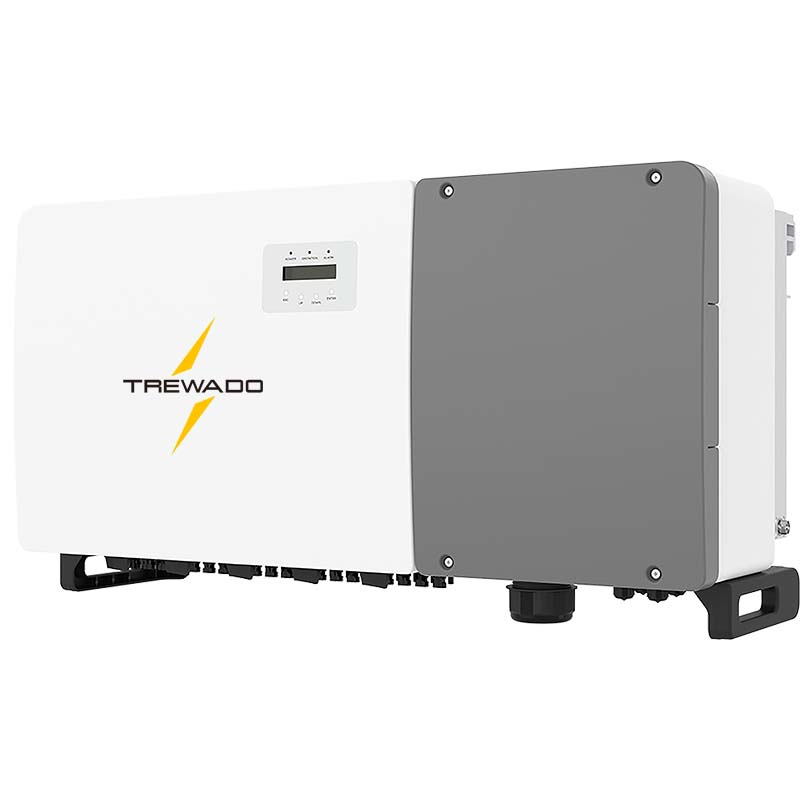
Energy storage systems store surplus energy generated during peak production times and release it during low production or high demand periods, addressing the intermittency issue. Hybrid inverters combine multiple power sources and optimize energy flow between them, enhancing system performance. Off-grid and on-grid inverters play essential roles in integrating renewable energy into residential and commercial settings, allowing for autonomous or grid-connected operation.
### Enabling Green Energy: Innovations in Energy Storage and Inverters
Leading renewable energy technology providers are pivotal in advancing green energy adoption by manufacturing cutting-edge energy storage and power conversion equipment.
One such company specializes in providing a comprehensive range of products, including energy storage systems (ESS), hybrid inverters, off-grid inverters, on-grid inverters, and portable power stations, often referred to as solar generators. Their solutions cater to both residential and commercial markets, offering efficient and scalable systems that optimize renewable energy use.
By integrating hybrid inverters with ESS, these solutions enable seamless switching between renewable power, battery storage, and grid electricity, ensuring uninterrupted power supply and maximized energy savings. Portable power stations are gaining popularity for their portability, clean energy generation, and ability to power essential devices in remote or emergency situations.
### The Role of Technology Providers in the Green Energy Revolution
Technology providers in the renewable energy sector act as enablers of a sustainable energy transformation. Their innovations in energy storage and conversion technologies are vital to making green energy accessible, reliable, and cost-effective.
Such companies invest heavily in research and development to improve the efficiency, durability, and affordability of their products. They also support a global effort to reduce the carbon footprint by providing tailored solutions that meet the unique needs of different regions and customers.
In addition to manufacturing high-quality equipment, these companies often collaborate with policymakers, utility providers, and end-users to promote green energy adoption through education, financing options, and after-sales support.
### Conclusion
Green energy stands as a cornerstone for meeting global energy demands sustainably while protecting the planet. Harnessing renewable energy from solar, wind, hydro, geothermal, and biomass sources mitigates the environmental impact of energy production and consumption.
However, overcoming challenges like intermittency and grid integration requires advanced energy storage and inverter technologies. Companies at the forefront of renewable energy innovation provide essential components such as energy storage systems, hybrid and off-grid inverters, and portable power stations that help unlock the full potential of green energy.
As governments, businesses, and individuals commit to a clean energy transition, the partnership between cutting-edge technology providers and sustainable energy practices will drive the global green energy revolution forward—paving the way for a healthier planet and a resilient energy future.