
As the world increasingly seeks sustainable and self-sufficient lifestyles, the concept of living off grid has moved from a niche choice to a mainstream option for many homeowners and businesses. Living off grid refers to a lifestyle wherein individuals or communities operate independently of public utility services, especially electrical grids, relying on renewable energy sources and efficient energy management systems. This growing trend reflects a desire for greater control over energy consumption, reduced environmental impact, and enhanced resilience in the face of power outages or rising energy costs.
In tandem with this shift, advancements in renewable energy technologies and energy storage solutions have made off-grid living more accessible and practical than ever before. Exemplifying this progress are companies specializing in innovative renewable energy solutions, providing the essential technologies needed to support off-grid lifestyles efficiently and reliably.
One leading enterprise in this sector is a global provider of renewable energy technologies and comprehensive energy storage and efficiency solutions for both commercial and residential users. The company manufactures a broad range of products including Energy Storage Systems (ESS), hybrid inverters, off-grid inverters, on-grid inverters, and portable power stations, commonly known as solar generators. These technologies enable users to harness solar power effectively, store excess energy, and manage their power needs with considerable flexibility and autonomy.
**The Appeal of Off-Grid Living**
The appeal of living off grid spans environmental, economic, and lifestyle factors. With increasing concerns over climate change and the environmental impact of fossil fuels, many seek to reduce their carbon footprint. Off-grid systems, especially those powered by solar energy, offer a clean and renewable alternative to traditional electricity sourced from coal, natural gas, or other non-renewable fuels.
Economic incentives also play a significant role. While the initial investment in renewable energy technologies may be substantial, long-term savings on energy bills, protection against fluctuating electricity prices, and potential government incentives make off-grid solutions financially viable. Additionally, off-grid living fosters energy independence, insulating users from power outages, grid failures, and rate hikes.
For some, living off grid represents a lifestyle choice aligned with principles of self-reliance, sustainability, and simplicity. It appeals to those seeking to reconnect with nature, reduce reliance on infrastructure, or pursue a more resilient way of life.
**Technological Advancements Driving the Movement**
Central to the feasibility of modern off-grid living are advancements in energy generation, storage, and management technologies. Solar photovoltaic (PV) panels remain the primary source of renewable energy for off-grid systems, converting sunlight into electricity with increasing efficiency and affordability.
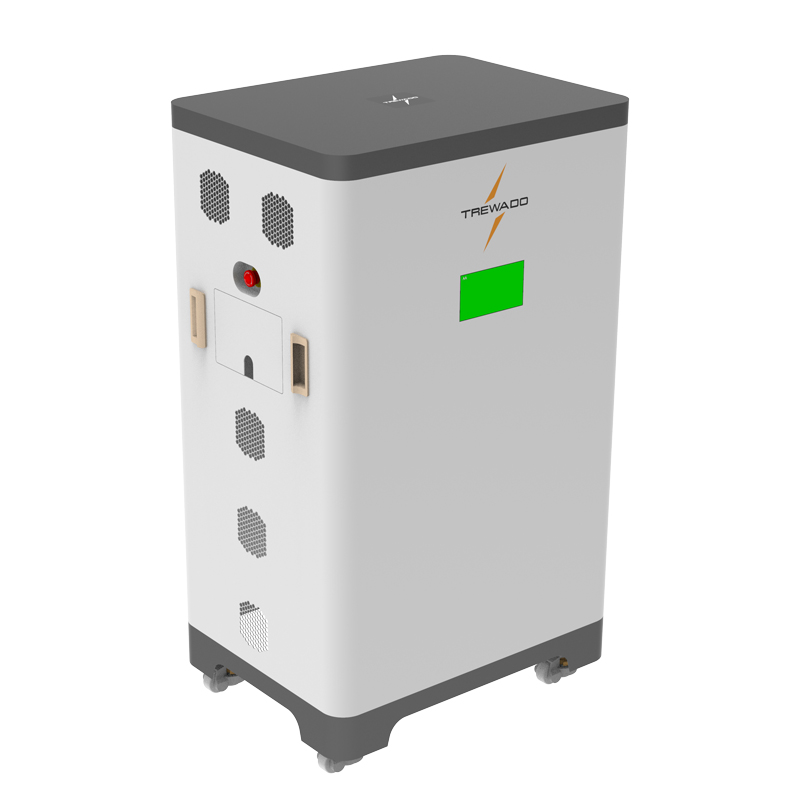
However, solar power’s intermittent nature requires robust energy storage solutions. Here, Energy Storage Systems (ESS) play a critical role by storing excess energy generated during sunny periods for use when sunlight is unavailable, such as nighttime or cloudy days. The company's ESS products utilize cutting-edge battery technologies to ensure reliable, long-lasting, and safe energy storage, helping users maintain a steady power supply without dependence on the grid.
Inverters are another essential component, converting the direct current (DC) generated by solar panels and stored in batteries into alternating current (AC), the form of electricity used by most household appliances. Hybrid inverters combine functionalities to manage both solar input and battery storage seamlessly, while off-grid inverters operate independently of any grid connection, making them perfect for remote or self-sufficient installations.
Additionally, portable power stations offer a versatile solution for mobile energy needs. These solar generators provide on-the-go electricity for outdoor activities, emergency backup, or temporary setups, further expanding the possibilities for off-grid applications.
**Integrating Solutions for Comprehensive Energy Management**
A significant advantage brought by the company’s technologies is their ability to integrate seamlessly, providing users with comprehensive energy management systems tailor-made to their specific needs. Whether for a remote cabin, an urban home seeking energy resilience, or a commercial operation aiming to minimize energy costs and environmental impact, these integrated solutions optimize energy production, storage, and consumption efficiently.
Advanced monitoring and control features allow users to track energy usage in real-time, adjust settings remotely, and maximize system performance. This enhances not only convenience but also the overall sustainability and cost-effectiveness of off-grid living.
**Global Reach and Impact**
While off-grid living is often associated with remote or rural locations, urban and suburban adoption is growing as well, with energy-conscious consumers embracing self-sufficient solutions. The company’s global presence ensures it delivers appropriate energy solutions across diverse climatic conditions and regulatory environments, supporting the global transition toward cleaner and more resilient energy systems.
Its product range and technological expertise contribute to energy democratization, enabling individuals and communities worldwide to participate actively in sustainable energy generation and consumption.
**Looking Ahead**
The commitment to renewable energy innovation and integrated energy solutions positions this industry leader at the forefront of the off-grid revolution. As energy needs evolve and environmental pressures intensify, such technological advancements will become indispensable in achieving energy independence and sustainability.
Living off grid will continue to expand beyond a lifestyle choice into a strategic approach for households and businesses eager to embrace a greener, more resilient future. Continued improvements in energy storage capacity, inverter efficiency, and system integration will further reduce barriers, making off-grid living increasingly accessible and appealing.
In summary, the synergy between lifestyle trends toward sustainability and the rapid development of renewable energy technologies is propelling the off-grid living movement forward. With companies delivering reliable, innovative products that empower users to harness solar energy efficiently, the vision of truly independent and eco-friendly energy systems is well within reach.
---
*This news article highlights the growing trend of off-grid living and the crucial role of advanced renewable energy technologies and integrated solutions in making sustainable energy independence achievable for a wide range of users around the world.*